


There are some story beats nerd culture just cannot quit.
The fallen hero. The final sacrifice. The impossible death. The shocking return.
Again and again, across comics, anime, fantasy, sci-fi, games, and superhero films, we come back to the same moment: someone dies, and somehow that is not the end. Sometimes they return changed. Sometimes stronger. Sometimes glorified. But the message is the same. Death does not get the final word.
We love that story.
We may dress it up in capes, prophecy, magic systems, multiversal weirdness, or advanced alien technology, but the heartbeat never changes. The hero comes back. Hope is restored. The world changes because of it.
And I do not think that is an accident.
Nerd culture returns to death and resurrection so often because deep down, we know ordinary humanity is not enough. We long for someone who can go where we cannot go, do what we cannot do, and overcome the thing none of us can defeat on our own. We want a hero who is more than merely human, because merely human has limits. Merely human breaks. Merely human dies.
So we keep telling stories about the one who comes back.
Nerd culture returns to death and resurrection so often because deep down, we know ordinary humanity is not enough.
You can see it everywhere. Comics are the clearest example. Death and resurrection are basically part of the genre at this point, but that constant return says something. Readers are drawn to resurrection because it signals significance. If a hero rises again, it confirms that they were always meant to be more than ordinary, more than temporary, more than one tragic ending.
Fantasy does it too. The old king returns. The white-robed figure comes back transformed. The chosen one dies in one sense and rises in another. Anime leans into it with sacrifice, rebirth, and transformation. Games even build it into the mechanics. Respawns and extra lives may be simple systems, but they still echo the same longing. We want another chance. We want death to be undone. We want the story to keep going.
Of course, not every resurrection story in nerd culture is profound. Sometimes it is cheap fan service. Sometimes it is just a twist to keep the franchise alive. But even the weaker versions work because they are borrowing power from something deeper.
Resurrection matters to us because death matters to us.
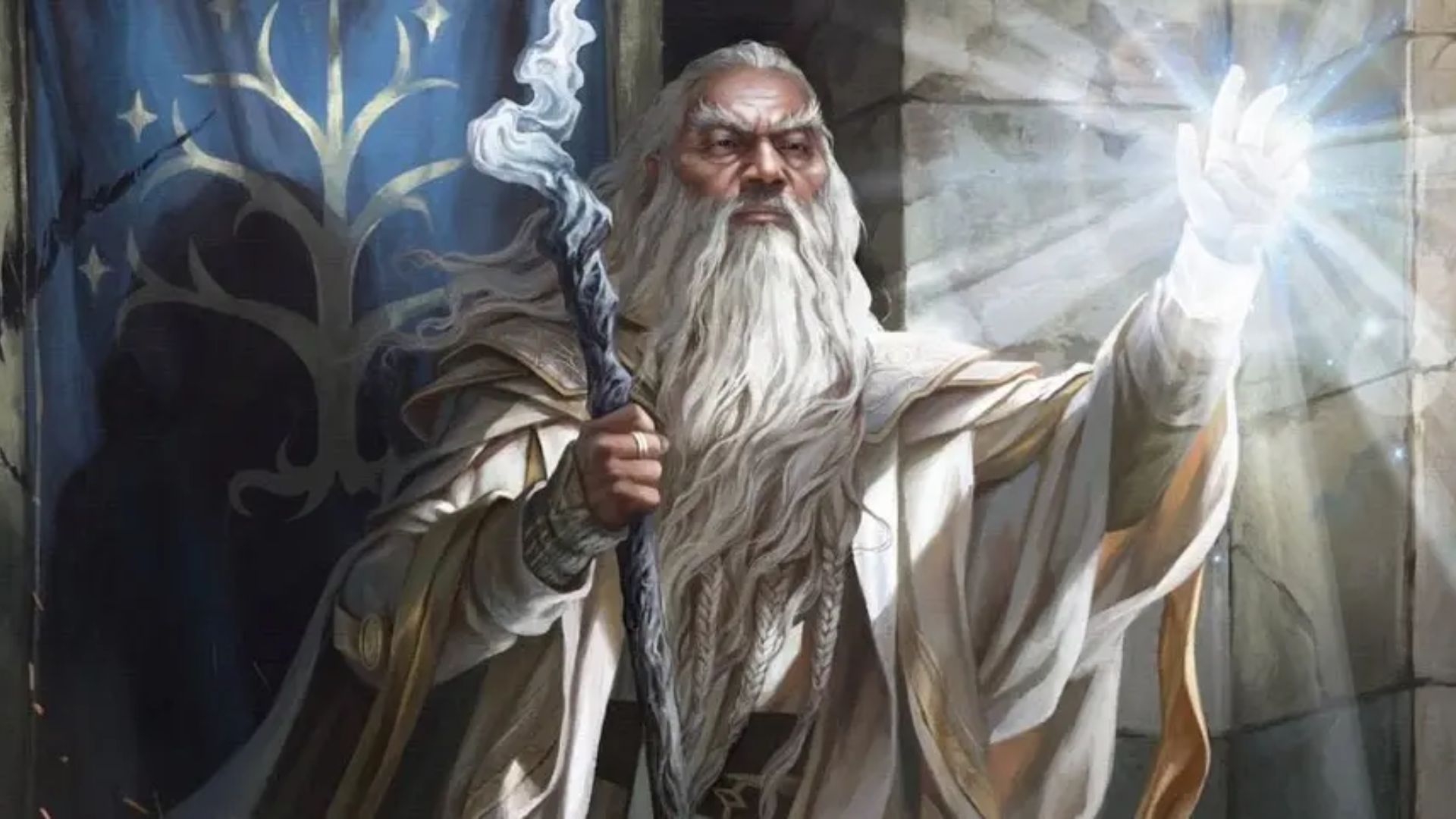
We know death is the great enemy. We know it is wrong. Every funeral, every diagnosis, every goodbye reminds us that the world is not as it should be. So we are drawn to stories that dare to say death does not win.
That longing is not childish. It is deeply human. More than that, it is spiritual.
Scripture says God has set eternity in the human heart. We were made to long for something beyond decay, beyond loss, beyond the grave. So of course we keep building stories around resurrection. Of course we keep imagining heroes who return. Of course we keep reaching for a figure who is more than man.
We are looking for Jesus, even when we do not realize it.
That does not mean every resurrection arc is secretly a gospel allegory. It does mean our favorite stories often reveal our deepest desires. And one of those desires is clear: we want someone stronger than death.
Not someone who can delay it.
Not someone who can help us cope with it.
Someone who can actually defeat it.
Scripture says God has set eternity in the human heart. We were made to long for something beyond decay, beyond loss, beyond the grave.
That is why Easter matters so much. Easter is not just another return-from-the-dead story in the long line of humanity’s favorite tropes. It is the reality those tropes are reaching for.
Jesus does not rise because the audience wanted a sequel. He does not return because the writers could not commit to the sacrifice. He does not come back as a symbol or a metaphor.
He physically rises.
The tomb is empty.
The crucified Christ is alive.
And that changes everything.
What nerd culture can only imitate, Easter proclaims as fact. The hero really did enter death. The sacrifice really was complete. The return really did happen. And the one who rose really is beyond mere mankind.
That is part of why resurrection stories move us so deeply. When a character comes back from the grave, we instinctively understand they are no ordinary figure. They are marked as greater, set apart, almost divine.
In Jesus, that instinct finds its fulfillment.
The resurrection is not just proof that Jesus is impressive. It is the vindication of who He claimed to be all along. He is not merely a wise teacher or spiritual guide. He is the Son of God, the promised Savior, the one with authority over sin and death itself.
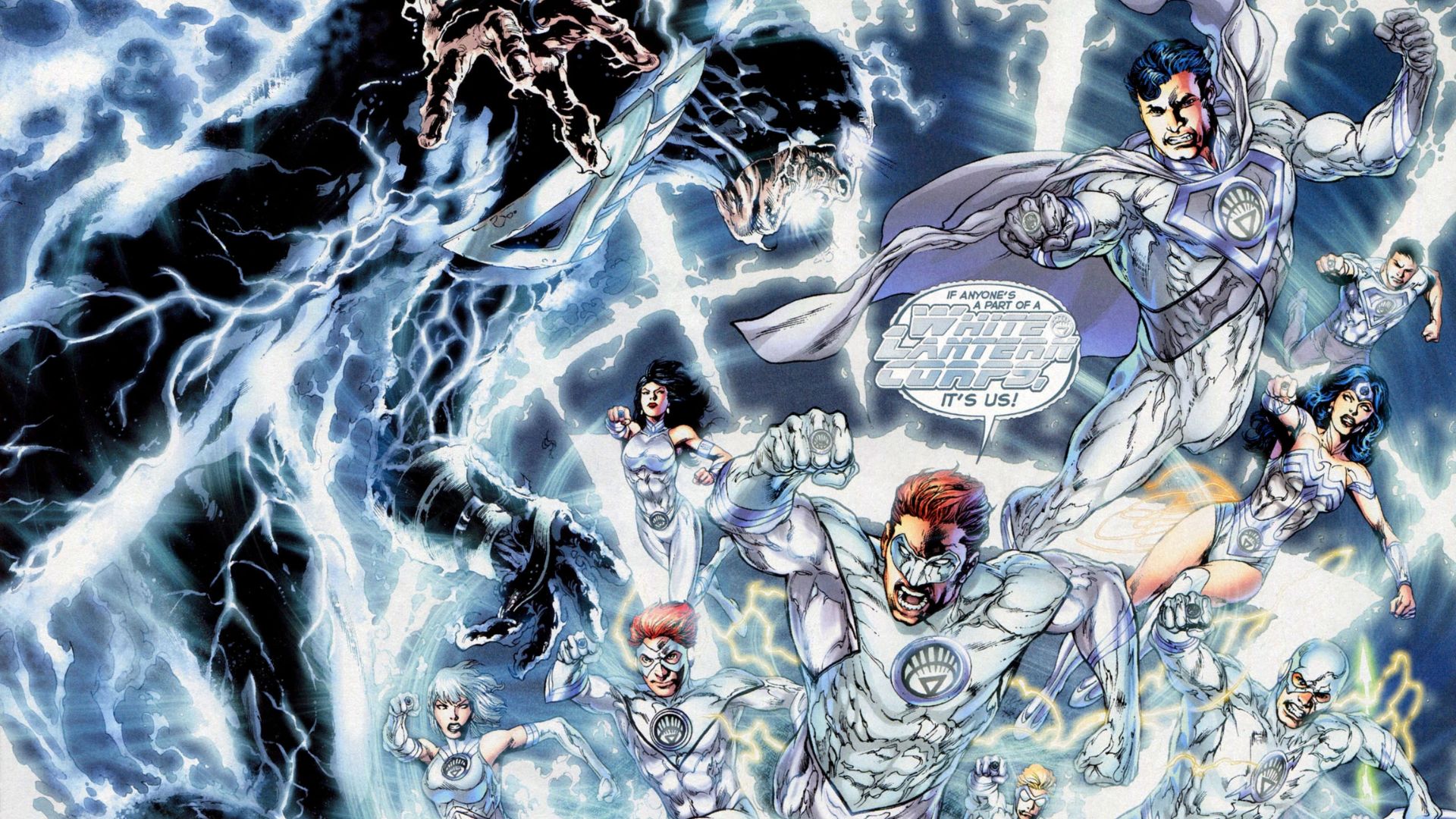
Nerd culture keeps circling back to resurrected heroes because our hearts know that if salvation is ever going to come, it has to come from beyond us.
We cannot self-improve our way out of death.
We cannot fix sin through effort, intelligence, or bravery.
We need rescue.
That is the part our stories keep rehearsing. The world is broken. The hero enters into the brokenness. The hero suffers. The hero falls. Then, impossibly, gloriously, the hero rises and brings hope back with him.
That shape moves us because it is the shape of the gospel.
But Jesus is not just another hero who fits the mold. He is the reason the mold exists. Every time we tear up when the sacrificed one returns, every time we feel that relief that death was not the end, we are brushing up against a desire the gospel alone can satisfy.
We do not just want cool stories.
We want saving truth.
And that is what Easter announces.
Jesus is not just another hero who fits the mold. He is the reason the mold exists.
Jesus did not merely survive death. He conquered it.
Jesus did not merely return to inspire us. He rose to save us.
Jesus did not merely prove He was extraordinary. He proved He is Lord.
Maybe that is why these themes never get old. Maybe that is why we keep retelling them. We were made to recognize resurrection. We were made to need it. And more than that, we were made for the One who walked out of the tomb for real.
This Easter, maybe the most nerdy thing we can do is admit that all our favorite stories of death undone and hope restored have been pointing beyond themselves.
The true hero is Jesus.
And unlike every other resurrected figure we have ever cheered for, He is not fiction, not metaphor, and not temporary.
He is alive.
Love what you just read? Get more LTN!

Related Content

Today in Nerd History | October 11
Today in Nerd History | October 10
Save & Continue 24 | ‘Lanterns’ and Heroism

Today in Nerd History | October 9

Today in Nerd History | October 8
Two Words 75 | The Most Unpredictable Money in the Bank Yet? (Predictions, Trivia & News)
Today in Nerd History | October 7

Reader Comments