

This is a part of a series – Jesus Loves Nerd Culture. The stories we love often carry a deeper truth. In Jesus Loves Nerd Culture, we follow the echoes of grace, hope, and redemption through nerd culture—seeing how God’s story meets us in every world we imagine.
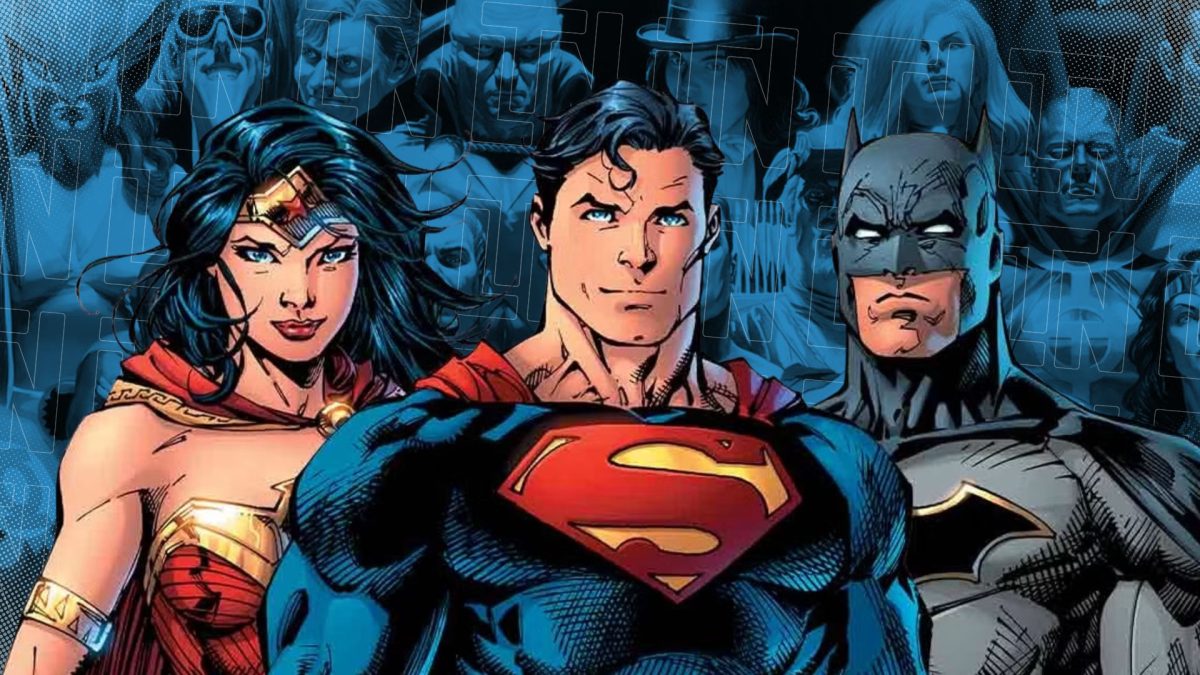
The Justice League is a pantheon of power, gods and mortals united to protect a broken world. At its best, though, it is not really about strength. It is about what happens when radically different people come together for the good of others. Sound familiar? That is the church. And that is the Gospel. The League is not a collection of flawless icons. It is a fellowship of the willing, the wounded, and the self-sacrificing.
Each hero reflects a piece of the bigger story. When they fight together, we catch a glimpse of what it looks like when justice rolls like a river.

Superman: The Servant Savior
Superman stands at the heart of the League as hope in human form. He possesses the power to rule, yet he consistently chooses the posture of a servant. He does not rescue from a distance. He enters our world, walks beside us, suffers with us, and shields the vulnerable. His death in The Death of Superman shakes the world. His return restores what was lost.
“The Son of Man came not to be served but to serve, and to give his life as a ransom for many.”
Mark 10:45 (ESV)
Superman remains the clearest Christ-figure in comics, not because he is flawless, but because his story is shaped by love instead of control and sacrifice instead of dominance.

Batman: The Watchman in the Dark
Batman serves as the League’s conscience and its most grounded realist. He has no superpowers, only pain, discipline, and an unshakable devotion to justice. He steps into darkness so others do not have to. Hope does not come easily to him, yet he continues to fight as if it still matters. His strength is rooted in a relentless love for a world that rarely loves him back.
“The light shines in the darkness, and the darkness has not overcome it.”
John 1:5 (ESV)
Batman reminds us that faithfulness still matters in grief. That doing what is right does not require feeling whole. That justice is more than an idea. It is a calling.

Wonder Woman: Truth and the Power of Peace
Diana lives as both warrior and peacemaker. She carries great power, but her first instinct is always reconciliation before conflict. Her Lasso of Truth reflects her deeper mission: exposing deception, speaking life, and drawing others into the light.
“Speak the truth in love.”
Ephesians 4:15 (ESV)
Wonder Woman shows what it looks like to fight for truth with compassion, to lead with strength without losing tenderness. Her story reflects a justice that loves mercy, as Micah 6:8 describes.

The Flash: Joy, Grace, and Running Toward Others
Whether it is Barry Allen or Wally West, the Flash brings both lightness and loyalty to the League. He may be fast, but his heart moves even faster. He forgives quickly, hopes quickly, and shows up without hesitation. Most importantly, he runs toward people rather than away from them.
“Let us run with endurance the race that is set before us, looking to Jesus…”
Hebrews 12:1–2 (ESV)
The Flash represents a grace that moves outward. A grace that lifts burdens, brings laughter into dark moments, and refuses to let despair have the final word. He reminds us that joy can be a weapon and that kindness has its own kind of speed.

Aquaman: The Outsider King
Arthur Curry never fully belongs to land or sea. He lives between two worlds, carrying the tension of not being fully claimed by either. Instead of retreating from that tension, he chooses to lead through it. He does not rule through domination, but by earning trust. Aquaman shows that being an outsider can become a bridge rather than a barrier.
“But you are a chosen race… a holy nation, a people for his own possession…”
1 Peter 2:9 (ESV)
Like Jesus, who walked between heaven and earth, Arthur uses his in-between identity to reconcile enemies, protect the vulnerable, and lead with humility.

Green Lantern: Willpower, Fear, and the Light That Shines Through
Hal Jordan is chosen to wield a ring powered by will and directed by purpose. A pilot and a risk-taker, he is often reckless, yet what defines him most is his refusal to surrender to fear. In Green Lantern mythology, fear is the great enemy. It immobilizes. It twists what is good. Hal responds by pressing forward, choosing to shine even when darkness closes in.
His oath captures that calling:
“In brightest day, in blackest night, no evil shall escape my sight.”
“For God gave us a spirit not of fear but of power and love and self-control.”
2 Timothy 1:7 (ESV)
Hal’s journey teaches that courage does not mean fear is absent. It means faith continues in the middle of it. The light does not originate from him alone. It flows through him when he entrusts himself to something greater. The ring answers to will, while the Gospel answers to surrender, yet both call for the same response: keep going, keep shining, even in the darkest night.

Cyborg: Brokenness Turned to Purpose
Victor Stone undergoes the most visible transformation of any member of the League. Once a college athlete, now merged with alien technology, he lives with the weight of what he has lost and what he has become. Yet through that brokenness, his life is reshaped into something meaningful. He becomes a protector, a leader, and a living bridge between humanity and the unknown.
“My grace is sufficient for you, for my power is made perfect in weakness.”
2 Corinthians 12:9 (ESV)
Cyborg’s story reminds us that wounds do not disqualify us. They prepare us. What feels like ruin in our lives can become the very place where redemption takes root.

Martian Manhunter: The Quiet Intercessor
J’onn J’onzz is the League’s most spiritually attuned presence. A telepath, a shapeshifter, and a survivor of genocide, he carries both deep sorrow and deep wisdom. He speaks sparingly, but when he does, his words carry weight. He notices what others overlook. He feels what others carry in silence.
“Rejoice with those who rejoice, weep with those who weep.”
Romans 12:15 (ESV)
J’onn embodies the role of the intercessor, a quiet advocate who stands with others in both joy and grief. He reminds us that leadership is not always loud and that mourning and mercy can become a ministry.

The League Together: Many Powers, One Purpose
The Justice League functions as more than a team. It operates like a body. Each member brings a different strength. Each one fills a unique need. None can stand alone for long. Their greatest victories come only when they depend on one another.
That is the church. Diverse, gifted, imperfect, and united in a mission greater than any single person.
“For just as the body is one and has many members… so it is with Christ.”
1 Corinthians 12:12 (ESV)
The League offers a picture of what happens when power submits to purpose. When warriors choose to serve. When justice seeks restoration rather than revenge.

Final Thought
The Justice League is myth, spectacle, and cosmic conflict, but beneath the capes and symbols lies something deeper: a story about people who rise not because they are perfect, but because they refuse to stop choosing the light.
Jesus loves the Justice League not because they save the world, but because they point beyond themselves to the One who already has. Their stories echo what it looks like to lay down pride, lift up others, and fight for a future still worth believing in.
Love what you just read? Get more LTN!

Related Content

Reader Comments